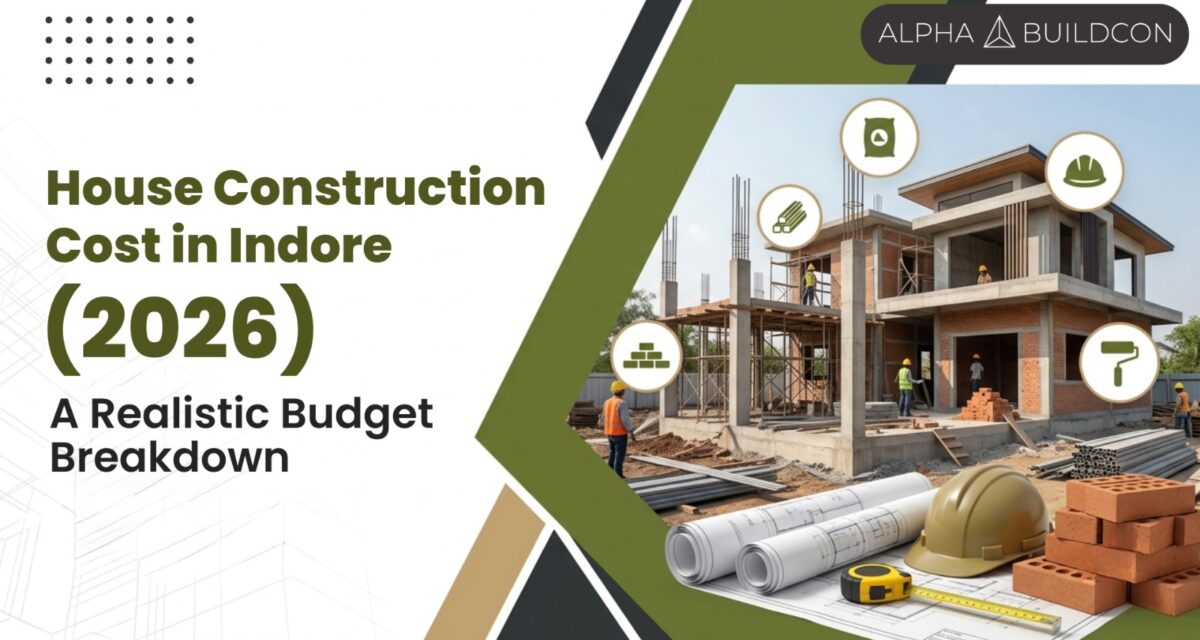
Building a home is a milestone that requires careful planning, especially when it comes to budgeting. Understanding the house construction cost in Indore is the first step toward making informed financial decisions and avoiding unexpected expenses during the construction journey. Whether you are planning a compact family home or a spacious villa the total investment depends on several factors, including design, material quality, labour availability and finishing preferences.
In 2026, construction costs continue to evolve due to changing market conditions and fluctuations in raw material prices. Instead of relying on rough estimates, homeowners should understand where their money is spent and how each stage of construction contributes to the overall budget.
At Alpha Buildcon, we have worked with homeowners across Indore to deliver thoughtfully designed homes with transparent pricing and quality construction. In this guide, we break down the key factors that influence construction costs so you can plan your project with greater confidence.
Why House Construction Costs Are Different for Every Home
One of the biggest misconceptions among homeowners is that every house can be built at the same price per square foot. In reality, no two projects are identical. Even if two homes have the same built-up area, their final construction costs can vary significantly because of design choices, material selection and site conditions.
Before creating a budget, it is important to evaluate factors such as:
- Plot size and location
- Architectural layout
- Number of floors
- Structural requirements
- Material quality
- Interior finishes
- Construction timeline
For example, a simple two-bedroom home with standard specifications will naturally cost less than a modern villa featuring premium flooring, custom interiors and smart home automation. A realistic budget always begins with understanding the scope of your project rather than relying only on average market rates.
Construction Cost Per Square Foot in Indore
One of the most common questions homeowners ask is about the construction cost per square foot. While this provides a useful benchmark, it should always be treated as an estimate rather than a fixed price.
The actual cost depends on the specifications you choose and the level of finishing expected.
Standard Residential Construction
For homeowners looking for a practical and durable home, standard construction generally ranges between 1,800 and 2,300 per sq ft.
This budget usually includes structural work, basic electrical and plumbing installations, standard flooring, wall finishes and functional kitchen and bathroom fittings. It is a popular choice for families who want quality construction without investing in premium finishes.
Premium Residential Construction
Homes with upgraded materials and enhanced aesthetics generally fall between 2,400 and 3,200 per sq ft.
Premium homes often feature better quality flooring, designer lighting, modular kitchens, premium sanitary ware, decorative ceilings and upgraded exterior elevations. These additions improve both comfort and long-term property value.
Luxury Home Construction
Luxury residences and custom-designed villas may start from 3,500 per sq ft and increase depending on architectural complexity and imported materials.
Features such as smart home systems, natural stone cladding, luxury wardrobes, custom woodwork, landscaped gardens and high-end interiors significantly influence the final construction budget.
Rather than focusing only on the lowest price, homeowners should evaluate the overall quality of workmanship and long-term durability offered by the construction company.
Understanding Building Material Prices in 2026
Material expenses form the largest share of any residential construction budget. In most projects, they account for more than half of the total investment, making them one of the most important cost factors.
The good news is that selecting the right materials is not always about choosing the most expensive option. A balanced approach that prioritizes quality, durability and long-term performance often delivers better value.
Cement
Cement is the foundation of every strong structure. Market prices continue to fluctuate based on manufacturing costs, transportation expenses and seasonal demand.
Since a typical residential project requires a substantial quantity of cement, even small price changes can affect the overall budget.
Steel
Steel provides structural strength and directly impacts the safety and lifespan of your home.
The quantity required depends on factors such as foundation design, beam sizes, column dimensions and the number of floors. Changes in steel prices throughout the year are common due to fluctuations in raw material availability and industrial demand.
Bricks and Blocks
Modern homeowners now have several choices, including traditional clay bricks, AAC blocks and fly ash bricks.
Each option offers unique benefits. AAC blocks, for example, provide better thermal insulation while also reducing the overall weight of the structure. Selecting the right material depends on your design requirements, budget and long-term maintenance goals.
Sand Aggregates and Concrete Materials
Materials such as sand, crushed stone and aggregates are essential for foundations, masonry, concrete work and plastering.
Their prices often vary depending on transportation distance, local availability and seasonal demand. Working with an experienced construction partner helps ensure consistent material quality throughout the project.
Finishing Materials
Finishing materials have the greatest influence on how your home looks and feels.
Flooring, paint, doors, windows, bathroom fittings, kitchen accessories and decorative elements all contribute to the final appearance while also affecting the overall budget. Premium finishes naturally increase costs but thoughtful material selection can achieve an elegant result without unnecessary overspending.
At Alpha Buildcon, material recommendations are based on durability, functionality and the homeowner’s budget, ensuring every investment adds lasting value to the property.
Labour Cost in House Construction
Another major component of any construction budget is labour cost. Skilled professionals are responsible for transforming architectural drawings into a structurally sound and aesthetically finished home.
Construction projects involve multiple specialists, including masons, carpenters, electricians, plumbers, painters, tile installers and fabrication teams. Their expertise directly affects construction quality, finishing standards and project timelines.
Labour charges are influenced by several factors, including:
- Project size
- Design complexity
- Construction schedule
- Availability of skilled workers
- Type of finishing work
Homes featuring custom architectural details, premium interiors or intricate installations generally require more experienced craftsmen, which increases labour expenses.
Choosing a professional construction company also helps optimise labour management. Proper scheduling, quality supervision and efficient coordination reduce delays and prevent unnecessary cost escalation during construction.
Plan Your Budget Before You Build
A well-planned construction budget is about more than estimating costs. It is about making informed decisions before work begins.
Many homeowners underestimate expenses by focusing only on the structural cost while overlooking material upgrades, finishing work approvals and contingency funds. This often leads to budget revisions midway through the project.
Creating a realistic financial plan from the beginning allows you to prioritise essential features compare material options and maintain better control over your investment throughout the construction process.
With years of experience in residential construction across Indore, Alpha Buildcon helps homeowners prepare transparent cost estimates that align with their vision, budget and long-term goals.
Turnkey Construction Cost: Is It Worth the Investment?
When planning a new home, many homeowners compare individual contractors with complete turnkey solutions. While hiring separate vendors may appear more economical at first, it often leads to coordination challenges, unexpected expenses and delays.
A turnkey construction cost includes everything required to complete the project, from planning and design to execution and handover. Instead of managing multiple contractors, the homeowner works with a single construction partner who oversees every stage of the project.
A turnkey package generally includes:
- Architectural planning and design
- Structural engineering
- Material procurement
- Civil construction
- Electrical and plumbing work
- Flooring and painting
- Quality inspections
- Final project handover
Although the initial investment may seem higher, turnkey construction often proves more cost-effective in the long run. Better project management, efficient material sourcing and continuous quality control help minimise wastage and reduce costly mistakes.
At Alpha Buildcon, every turnkey project is planned with transparency and a clear scope of work, so homeowners have better visibility into their investment from day one.
Hidden Costs That Can Increase Your Construction Budget
Many homeowners prepare a budget based only on the estimated construction rate. However, several additional expenses are often overlooked during the planning stage. Ignoring these costs can put pressure on your finances once construction is underway.
Some common hidden expenses include:
Government Approvals and Documentation
Before construction begins, you may need to obtain building permissions and approvals from the relevant local authorities. These administrative costs should always be included in your overall budget.
Site Preparation
Not every plot is ready for construction. Land levelling, excavation, soil testing and site clearing may be required before foundation work can begin.
Utility Connections
Water supply, electricity, drainage and other utility connections involve separate charges that vary depending on the location and project requirements.
Boundary Wall and External Development
Many homeowners focus only on the house itself while forgetting expenses related to compound walls, entrance gates, driveways, paving, landscaping and rainwater drainage.
Interior Enhancements
Wardrobes, modular kitchens, false ceilings, decorative lighting, curtains and furniture are often planned after construction begins. Allocating a separate budget for interiors helps avoid financial stress later.
Keeping a contingency reserve of around 5 to 10 percent of the total project cost is a practical way to manage unexpected expenses without disrupting construction.
Sample Budget Breakdown for a Residential Home in Indore
Every project is unique but a general cost distribution can help homeowners understand where their investment goes.
| Construction Component | Approximate Share of Total Budget |
| Structural Work | 35% |
| Building Materials | 25% |
| Labour | 20% |
| Electrical and Plumbing | 8% |
| Flooring and Finishes | 7% |
| Miscellaneous and Contingency | 5% |
This distribution may vary depending on the home’s design material choices and finishing standards. A detailed project estimate prepared by an experienced builder provides a much more accurate financial picture than relying on standard percentages.
How to Reduce Construction Costs Without Compromising Quality
Reducing costs does not always mean choosing cheaper materials. Smart planning and informed decisions can help you achieve significant savings while maintaining quality and durability.
Finalise the Design Before Construction Begins
Frequent design changes during construction often result in additional labour, material wastage and project delays. Completing architectural planning before work starts helps control costs.
Choose Materials Based on Long-Term Value
The lowest-priced materials are not always the most economical. Durable products with better performance often reduce maintenance expenses over the life of the building.
Work With an Experienced Construction Company
Professional builders have established supplier networks, efficient project management systems and quality control processes that help minimise delays and unnecessary expenses.
Plan for Future Requirements
If you expect to add another floor or install solar panels in the future, it is better to consider these requirements during structural planning. Making provisions early can save substantial costs later.
Keep a Realistic Contingency Budget
Construction projects can be affected by market fluctuations or unforeseen site conditions. Maintaining a financial buffer ensures the project continues smoothly without compromising quality.
Why Homeowners in Indore Choose Alpha Buildcon
Building a home is about more than completing a structure. It is about creating a space that reflects your lifestyle while ensuring long-term durability and value.
Alpha Buildcon combines architectural expertise, engineering precision and professional project management to deliver homes that meet both functional and aesthetic expectations. Every project is planned with attention to quality, transparent communication and efficient execution.
Whether you are building your first home or planning a premium residence, Alpha Buildcon offers complete support from design consultation to final handover. With a strong understanding of local construction practices and market conditions, the team helps homeowners make confident decisions throughout the construction journey.
Frequently Asked Questions
What is the average house construction cost in Indore in 2026?
The average house construction cost in Indore generally ranges between 1,800 and 3,500 per sq ft, depending on the quality of materials, design complexity and finishing specifications.
What factors have the biggest impact on construction costs?
Material quality, architectural design, labour charges, foundation requirements and interior finishes are among the biggest factors that influence the total project cost.
Is turnkey construction more expensive?
Not necessarily. While the initial quotation may appear higher, turnkey construction often reduces delays, material wastage and coordination issues, making it a cost-effective option over the entire project.
How much should I keep as a contingency budget?
Most construction professionals recommend setting aside around 5 to 10 percent of the total project cost to cover unforeseen expenses.
How can I get an accurate construction estimate?
The most reliable estimate comes from a detailed site assessment and project consultation. An experienced construction company can prepare a customized budget based on your plot size, design preferences and construction requirements.
Conclusion
Understanding the house construction cost in Indore is the foundation of a successful home-building journey. While average rates provide a helpful starting point, the final investment depends on your design choices, material selection, labour requirements and the level of finishing you expect.
A well-planned budget combined with experienced project management helps minimise surprises and ensures better value for every rupee invested. By working with a trusted construction partner, you can focus on building a home that meets your expectations without unnecessary financial stress.
If you are planning to build a home in Indore, Alpha Buildcon can help you with professional planning, transparent cost estimation and complete turnkey construction services tailored to your vision and budget.
